
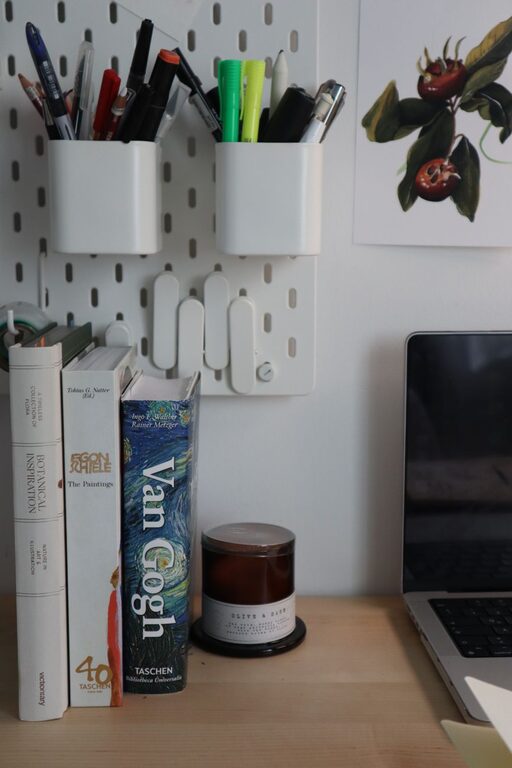
Paper clutter is a common challenge in many households. Between bills, receipts, school papers, magazines, and junk mail, piles of paper can quickly take over your living space. Reducing paper clutter not only creates a tidier environment but also helps you find important documents when you need them. If you’re ready to take control of the stacks and piles in your home, here are some simple ways to minimize paper clutter and keep your space organized.
Why Reducing Paper Clutter Matters
Before diving into practical tips, it’s helpful to understand why reducing paper clutter is beneficial. Excess paper can cause stress and distract you from focusing on tasks. It also takes up valuable space and can hide important documents, making it harder to stay on top of bills, appointments, and deadlines. By creating a system to manage paper, you improve efficiency and create a more peaceful home environment.
Step 1: Sort and Purge Regularly
The first step to reducing paper clutter is to sort through the existing piles. Designate a time to go through all your paper stacks—mail, schoolwork, receipts, and magazines. When sorting:
– Create categories: For example, bills, personal documents, coupons, junk mail, and magazines.
– Recycle what you don’t need: Junk mail, old magazines, and expired coupons can often be recycled immediately.
– Shred sensitive documents: Anything with personal information, such as bank statements, should be shredded.
Regularly purging paper keeps clutter from building up again. Aim to do a quick paper declutter once a week or every two weeks.
Step 2: Go Digital Whenever Possible
One of the most effective ways to reduce paper clutter is to switch to digital alternatives when you can. Many organizations offer paperless billing and statements. Here’s how to make the shift:
– Sign up for e-bills: Most utility companies, banks, and credit card providers allow you to receive bills by email.
– Use apps to save receipts: Apps like Evernote or dedicated receipt-tracking apps help you keep digital copies.
– Scan important documents: Instead of keeping physical copies, consider scanning and storing them safely on your computer or cloud storage.
Going digital reduces the volume of paper that enters your home and makes it easier to search for documents when needed.
Step 3: Create a Centralized Paper Station
Having a dedicated spot for incoming paper can prevent piles from spreading throughout your home. Your paper station should be easy to access and well organized. Consider these components:
– Incoming mail tray: A designated tray for new mail keeps it contained.
– Filing system: Use folders or an accordion file labeled by category—bills, school papers, warranties, taxes.
– Shredder or recycling bin: Place nearby for easy disposal.
Make it a habit to process this station daily or every couple of days to avoid accumulation.
Step 4: Simplify with a Filing System
An effective filing system doesn’t have to be complicated. Use clearly labeled folders or binders to organize important papers you want to keep. Some useful categories include:
– Financial documents: Bank statements, tax returns, investment records.
– Medical records: Insurance information, appointment summaries.
– Household: Warranties, manuals, and receipts for major purchases.
– School and work: Important homework, reports, or employment documents.
Keep current year files easily accessible and archive older documents in a box or storage container labeled by year.
Step 5: Limit Paper Coming In
Reducing paper clutter also means cutting back on the amount of paper entering your home. Some tips include:
– Opt out of junk mail: Many services allow you to reduce or stop unwanted mail through online opt-out tools.
– Unsubscribe from catalogs and flyers: Take a few moments to unsubscribe from marketing materials you no longer want.
– Use email for communication: When possible, ask friends, family, and service providers to send information electronically.
Less incoming paper means less clutter to manage.
Step 6: Manage Children’s Paperwork
Children often bring home a lot of papers from school, including artwork, announcements, and homework. Here are ways to keep their paper clutter under control:
– Designate a display area: Use a bulletin board or wall space to showcase current artwork and important announcements.
– Create a folder or bin: Store papers you want to keep in a labeled container.
– Purge regularly: Decide with your child which papers to keep and which to recycle.
Involving your children in the process teaches them organizational skills and helps reduce clutter.
Step 7: Recycle and Dispose Responsibly
As you sort and reduce your paper, prioritize recycling and disposing of papers responsibly. Use a home shredder for sensitive documents. Designate a recycling bin for paper materials to make it easy to discard unwanted papers. Keeping these disposal methods accessible encourages regular use.
Tips for Maintaining a Paper-Free Home
Reducing paper clutter is an ongoing process. To keep paper piles from returning:
– Deal with paper immediately: Sort, file, or recycle as soon as mail or documents come in.
– Set up reminders: Use calendar alerts for regular paper decluttering sessions.
– Keep digital backups: Save important documents digitally for easy access and reduced physical copies.
– Educate household members: Encourage everyone to follow the system to maintain order.
—
Reducing household paper clutter is achievable with consistent effort and simple systems. By sorting regularly, embracing digital alternatives, creating a centralized paper station, and managing incoming documents thoughtfully, you can enjoy a cleaner, more organized home. Start with small changes today, and you’ll notice a big difference in how your space feels and functions.